
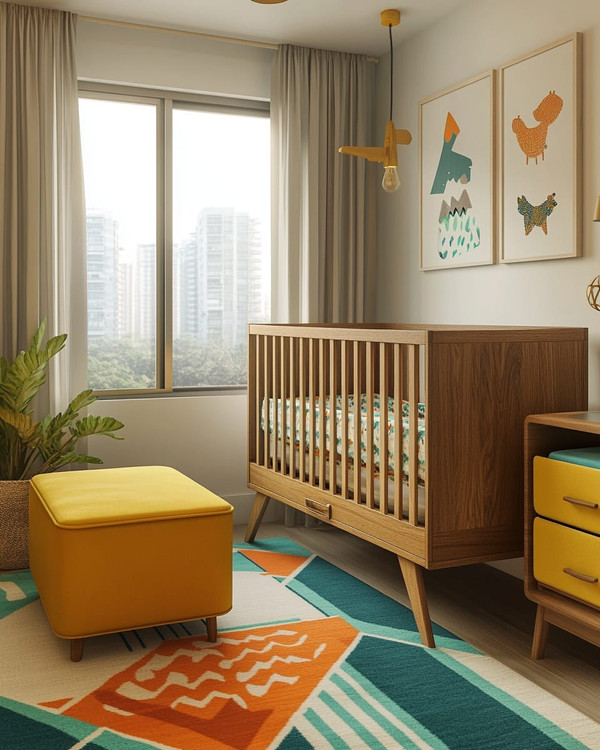
Mid-Century Modern Kids' Small Spaces
Creating a vibrant, functional Mid-Century Modern space for babies and kids, especially in a smaller home or apartment, requires thoughtful planning. The key is to leverage the style's inherent clean lines and practical forms to maximize every square foot, ensuring both style and child-friendly utility.
Smart Furniture & Dual-Purpose Pieces
In compact rooms, every furniture item should earn its place. Look for pieces with a streamlined profile and consider their longevity. For instance:
- Convertible Cribs: A crib that transforms into a toddler bed and then a daybed extends its usefulness beyond infancy.
- Wall-Mounted Shelving: Floating shelves in natural walnut or teak offer storage without consuming floor space.
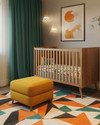
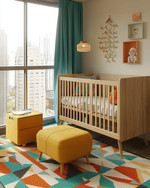
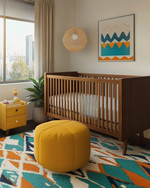
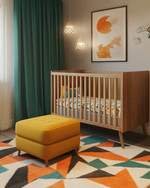
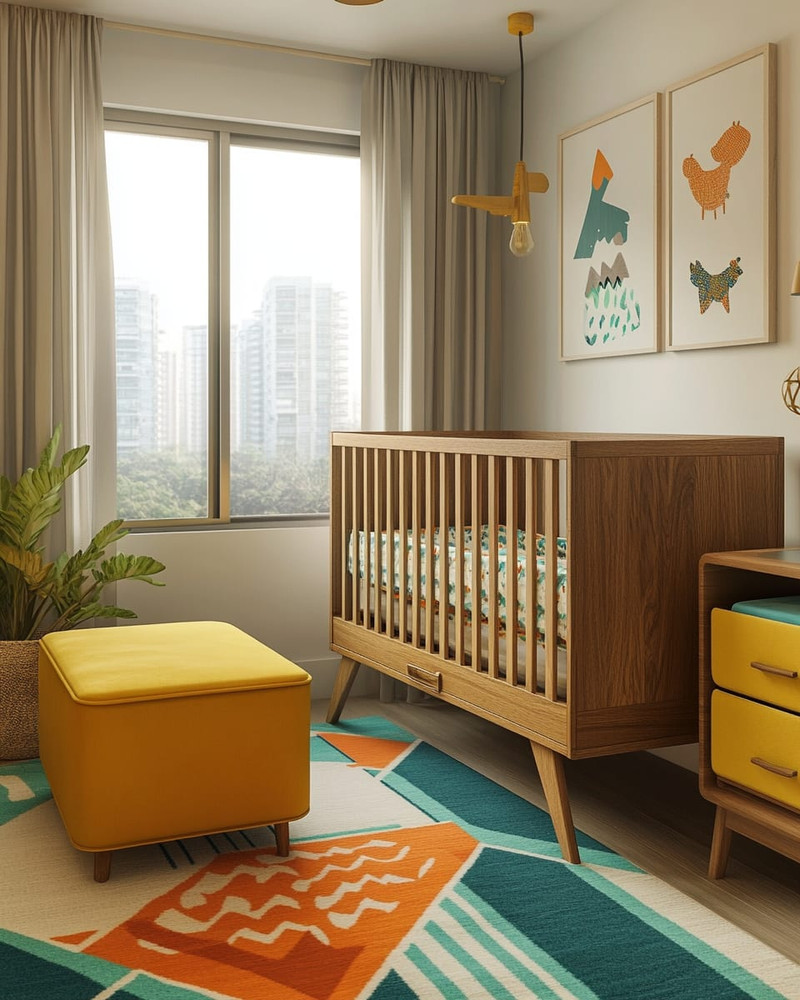
- Storage Ottomans: A round, upholstered ottoman in a bold mustard yellow or avocado green provides seating and hidden toy storage.
- Trundle Beds or Daybeds: For older children, these offer extra sleeping arrangements without a permanent footprint.
Playful Color Palettes & Geometric Accents
Mid-century modern design embraces a cheerful yet sophisticated palette. For children's rooms, introduce these colors through strategic accents:
- Warm Neutrals: Begin with a foundation of off-white (like Benjamin Moore's Simply White) or a soft greige for walls to keep the space feeling open.
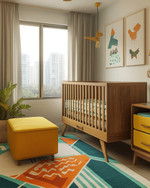
- Pops of Color: Integrate shades like burnt orange, olive green, teal, and mustard yellow through textiles, throw pillows, or a single accent wall.
- Geometric Patterns: Introduce patterns via area rugs, bedding, or wall art. Think abstract shapes, atomic starbursts, or simple polka dots in a complementary color scheme.
Streamlined Storage & Organization
Keeping clutter at bay is crucial in smaller children's rooms. Mid-century design principles emphasize order and functionality.
- Built-in or Low-Profile Bookcases: Opt for low, wide bookcases in a light wood finish, allowing children easy access and keeping the visual line low.
- Woven Baskets: Use stylish, lidded rattan or seagrass baskets to store toys and blankets, adding natural texture.
- Pegboards: A painted pegboard can be a versatile wall feature for hanging art, small baskets, or clothing, adapting as the child grows.
Thoughtful Lighting & Ambiance
Lighting is essential for both function and mood, especially in smaller rooms where it can expand the perceived space.
- Sputnik Chandelier: A smaller scale Sputnik-style ceiling fixture can be a playful focal point.
- Task Lighting: A slim, adjustable desk lamp with a brass or matte black finish provides focused light for reading or homework.
- Natural Light: Keep window treatments minimal, using sheer linen curtains or simple roller blinds to maximize daylight.
Frequently Asked Questions
How can I make a small Mid-Century Modern kids' room feel larger?
Utilize light wall colors, incorporate furniture with slender legs to reveal more floor space, and use mirrors strategically to reflect light and create depth.
What colors are best for a Mid-Century Modern baby room in a small space?
Start with a neutral base like off-white or light gray, then introduce pops of classic Mid-Century shades such as teal, mustard, olive green, or burnt orange through accessories and textiles.
What kind of storage works best for toys in a small Mid-Century Modern kids' room?
Look for low-profile, multi-functional storage like credenzas with drawers, storage ottomans, and wall-mounted shelving units. Woven baskets also provide stylish and accessible toy storage.
Can I use bold patterns in a small Mid-Century Modern kids' room?
Yes, but use them thoughtfully. Introduce geometric patterns through an area rug, a single piece of wall art, or bedding to add visual interest without overwhelming the compact space.