
Modern Basement for Small Spaces
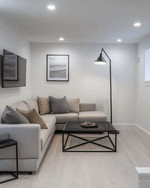
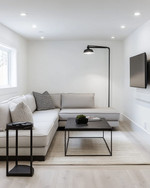
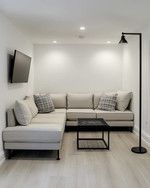
A modern basement can be a valuable extension of your living space, and with thoughtful design, even smaller footprints can feel expansive and inviting. For apartments or homes with limited square footage, the key is to prioritize smart layouts, integrated storage, and a cohesive aesthetic that enhances both form and function.
Smart Layouts for Compact Living
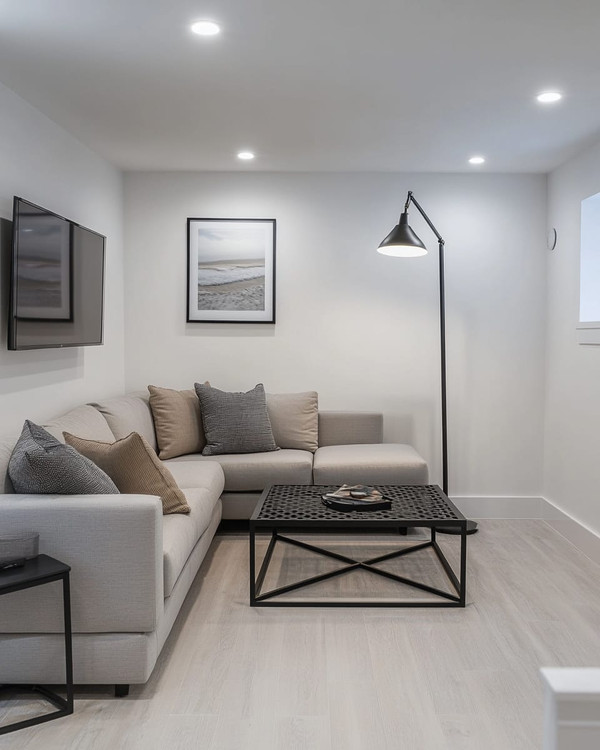
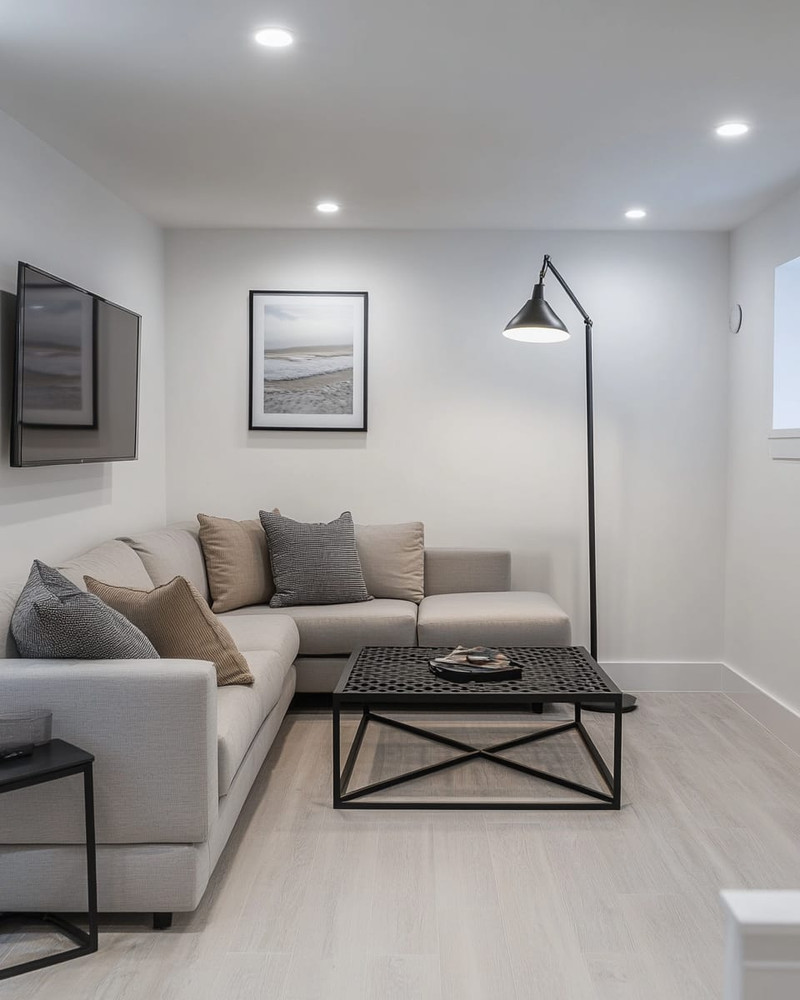
In a small modern basement, every inch counts. Consider a multi-functional layout where zones blend seamlessly. A modular sectional sofa can define a living area, while a wall-mounted desk or a slim console table serves as a compact workspace. Embrace open-concept principles, minimizing solid walls to allow light and sightlines to flow freely.
- Use floating shelves instead of bulky bookcases to maintain an open feel.
- Opt for a pull-out sofa or a futon to accommodate overnight guests without sacrificing floor space.
- Incorporate pocket doors or barn doors where traditional swing doors would impede movement.
Refined Finishes and Neutral Tones
To visually expand a small basement, a carefully curated palette of light, neutral colors is essential. Think shades of cool gray, crisp white, or soft beige for walls and larger furniture pieces. Introduce texture through materials like polished concrete floors, light-toned engineered wood, or even a subtle geometric wallpaper on an accent wall. Brushed nickel or matte black hardware can provide a crisp, modern contrast without overwhelming the space.
Layered Lighting for Atmosphere
Basements often lack natural light, making a well-designed lighting scheme crucial. Combine ambient, task, and accent lighting to create depth and warmth. Recessed lighting provides general illumination without taking up head space, while slim LED strip lights under cabinetry or behind shelves add a contemporary glow. A statement floor lamp with an upward-facing shade can bounce light off the ceiling, making the room feel taller and brighter.
- Install dimmers on all light fixtures for adjustable ambiance.
- Use light-colored lampshades to maximize light reflection.
- Consider a light tube or solar tube if exterior access allows for natural light introduction.
Frequently Asked Questions
How can I make a small modern basement feel larger?
Utilize light, neutral color palettes on walls and floors, incorporate reflective surfaces like mirrors, and choose multi-functional, scaled-down furniture to maintain an open and uncluttered feel.
What types of furniture work best in a compact modern basement?
Opt for modular pieces, floating shelves, wall-mounted units, and furniture with slender legs or open bases to prevent the space from feeling heavy or cramped.
How do I address lack of natural light in a modern basement?
Layer various types of artificial lighting—recessed, task, and accent—and use light-colored finishes and reflective materials to maximize the light available and create a brighter atmosphere.