
Rustic Dining Room: Natural Textures
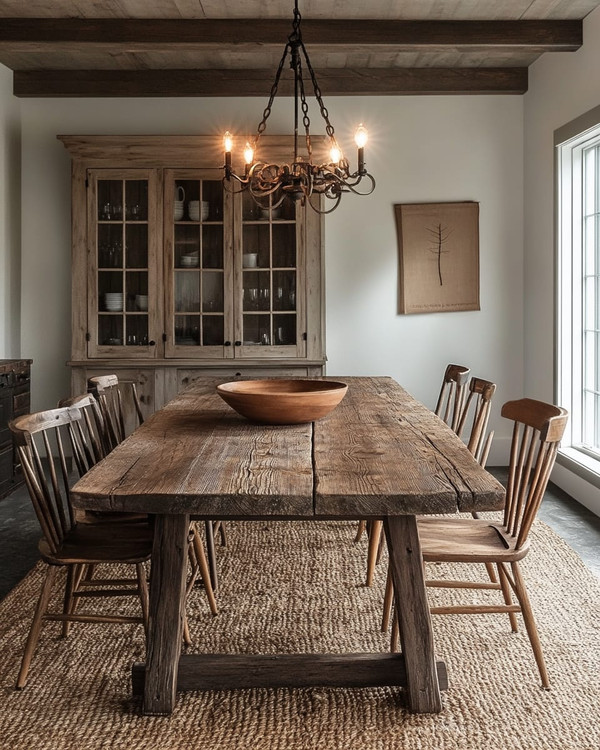
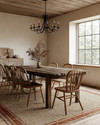
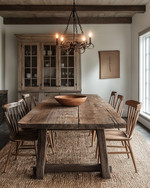
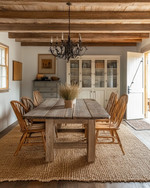
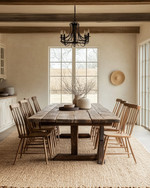
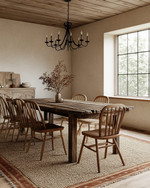
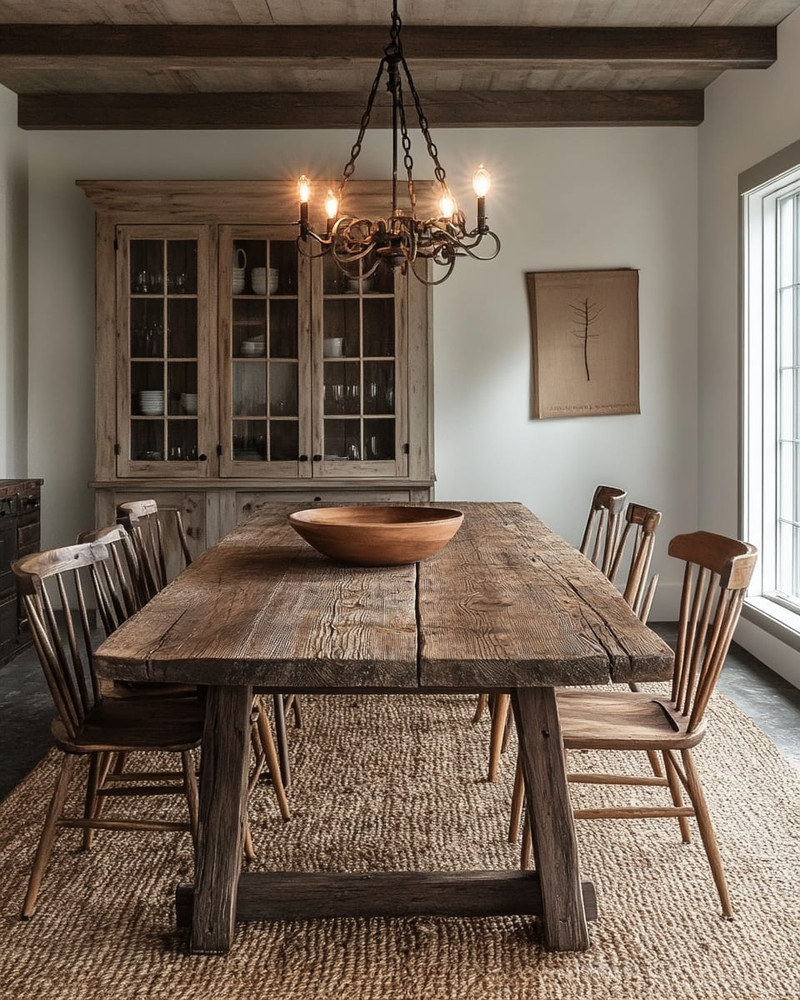
A rustic dining room finds its soul in the embrace of natural materials and their inherent textures. This style celebrates the raw beauty of wood, stone, and organic fibers, creating a space that feels grounded, welcoming, and deeply connected to nature. It's about crafting an atmosphere where every surface tells a story of authenticity and comfort.
Foundation in Earthy Palettes
The color scheme for a rustic dining room is inherently tied to the natural world. Think deep forest greens, warm terracotta, and the rich spectrum of browns found in aged wood and leather. These foundational hues allow natural textures to truly shine.
- Warm Neutrals: Shades like antique white, natural linen, and soft greige provide a calming backdrop.
- Earthy Accents: Introduce depth with moss green, burnt orange, or a muted slate blue.
- Subtle Contrast: A touch of charcoal or deep rust can highlight architectural details without overwhelming the natural feel.
Embracing Raw Materials and Finishes
The essence of rustic design is found in its materials. Prioritize pieces that showcase the original character of their components, with finishes that feel lived-in and honest rather than overly polished.
- Solid Wood Furniture: Opt for a substantial dining table crafted from reclaimed oak, distressed pine, or a live-edge slab that highlights natural grain.
- Stone and Wrought Iron: Consider a stone fireplace surround or a wrought iron chandelier to add an element of enduring strength.
- Organic Textiles: Incorporate linen, jute, wool, and unbleached cotton for placemats, chair cushions, and window treatments.
Thoughtful Furniture & Décor Selections
Each piece in a rustic dining room should contribute to the overall feeling of handcrafted warmth and connection to the natural world. Look for items with a sturdy presence and an artisanal quality.
- Farmhouse Table & Chairs: A large, solid wood dining table paired with mismatched wooden chairs or a bench creates an inviting, communal feel.
- Hand-Thrown Pottery: Display ceramic bowls and plates in earthy tones on open shelving or as a centerpiece.
- Woven Elements: Add texture with a jute area rug, wicker baskets for storage, or rattan pendant lights.
Frequently Asked Questions
What kind of wood is best for a rustic dining table?
Reclaimed oak, distressed pine, or a live-edge slab of walnut are excellent choices, as they showcase natural grain and imperfections that add character.
How do I add warmth to a rustic dining room?
Incorporate textiles like linen placemats, wool throws draped over chairs, and a jute or sisal rug. Warm-toned lighting and earthy paint colors also contribute significantly.
What colors complement a rustic dining room?
Earth tones such as forest green, terracotta, warm browns, antique white, and muted grays work beautifully, enhancing the natural material focus.
Should all furniture in a rustic dining room match?
Not necessarily; a rustic style often benefits from a curated, collected look. Mismatched wooden chairs or a bench paired with a robust table can enhance its charm.