
Rustic Patio Natural Texture Ideas
A rustic patio design celebrates the beauty of the outdoors by deeply integrating natural materials and tactile textures. This approach fosters a sense of authenticity and warmth, transforming your outdoor area into a serene retreat that feels both robust and welcoming. Focus on elements that show their inherent character, building a connection to the surrounding landscape.
Foundation of Earthy Materials
The core of a rustic patio lies in its material choices. Opt for robust, natural elements that age gracefully and provide a solid, grounded feel.
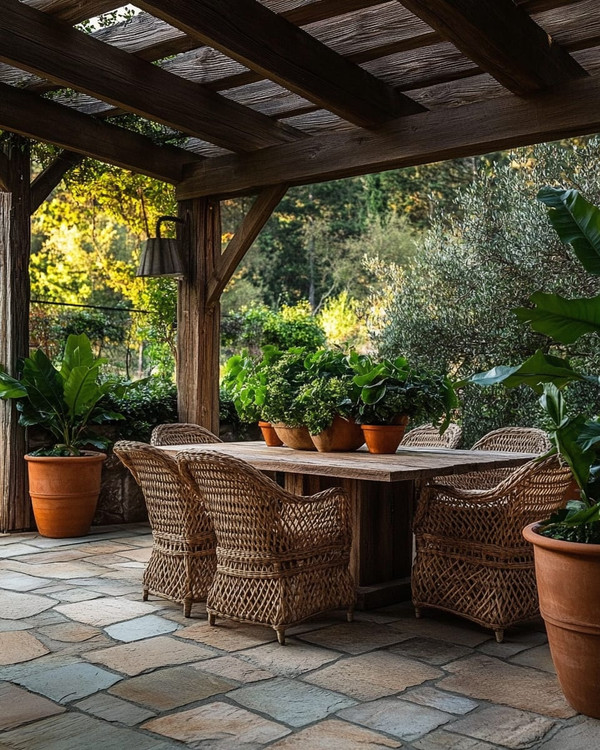
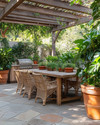
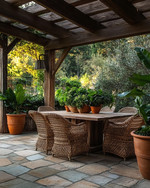
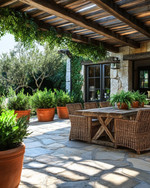
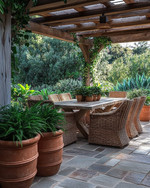
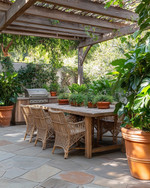
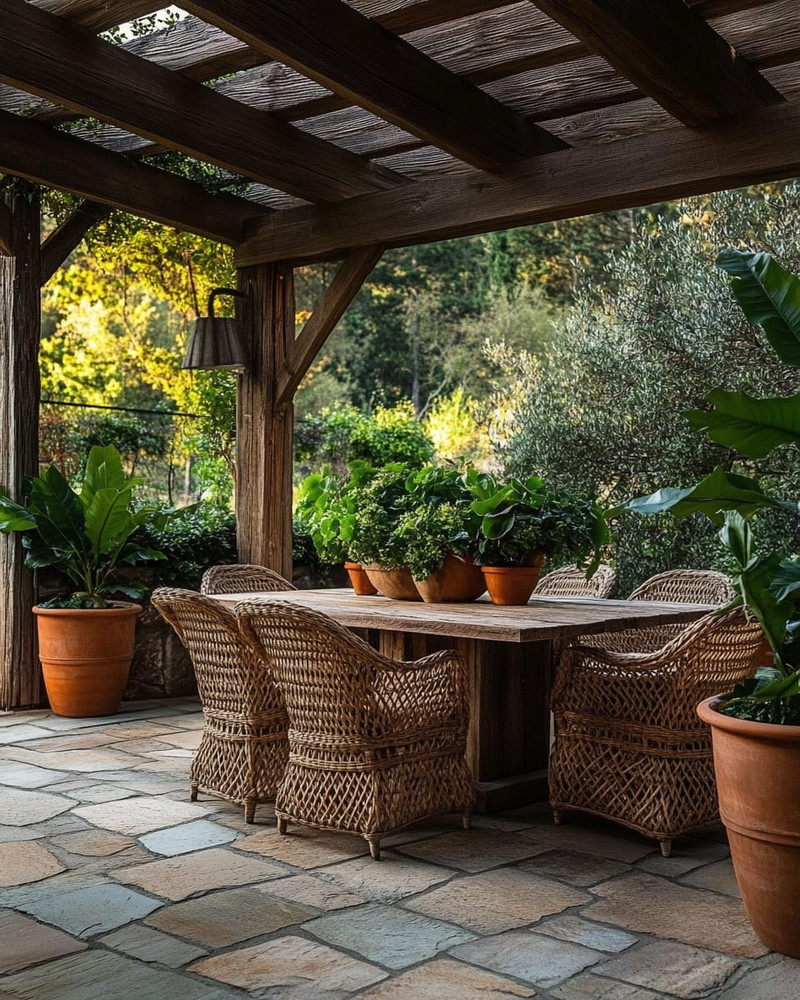
- Stone Paving: Irregular flagstone or river rock pavers, perhaps in warm tones of slate gray or sandstone, offer a naturally textured and durable surface.
- Wood Accents: Reclaimed wood beams for a pergola, rough-hewn cedar fencing, or salvaged barn wood for a feature wall introduce organic warmth and a sense of history.
- Wrought Iron Details: While not strictly natural, wrought iron in dark, matte finishes complements rustic wood and stone, offering durability and a touch of artisanal craftsmanship in railings or furniture frames.
Textural Furniture and Decor
Select furniture and decor pieces that not only provide comfort but also contribute significantly to the tactile richness of the space, inviting touch and interaction.
- Solid Wood Furniture: Look for pieces crafted from teak, acacia, or even repurposed pallets, showcasing visible grain and sturdy construction.
- Woven Rattan & Wicker: Seating with chunky rattan weaves or natural wicker adds an essential layer of texture, softening the harder elements while maintaining an organic feel.
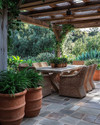
- Rough Pottery & Ceramics: Planters and decorative vessels in unglazed terracotta or hand-thrown ceramics with visible imperfections enhance the handcrafted, rustic aesthetic.
Organic Textiles and Soft Furnishings
Introduce textiles that echo the natural theme through their fibers and textures, providing comfort and visual interest without sacrificing the rustic character.
- Linen and Cotton: Outdoor cushions and throw blankets in durable, natural linen or thick cotton, often in muted tones like olive green, charcoal, or oatmeal, add softness.
- Jute and Sisal Rugs: An outdoor rug made from woven jute or sisal defines the seating area with a coarse, natural texture underfoot, grounding the space.
- Wool Throws: For cooler evenings, a chunky knit wool throw in a neutral cream or deep forest green provides warmth and a luxurious, yet earthy, texture.
Lush Greenery and Natural Elements
Integrate plants and natural elements generously to enhance the connection to the outdoors, adding living texture and vibrant color contrasts.
- Hardy Container Plants: Fill rustic terracotta pots with resilient plants like rosemary, lavender, or ornamental grasses that thrive outdoors and add natural fragrance.
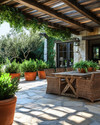
- Climbing Vines: Allow climbing roses or ivy to ascend a pergola or stone wall, softening hard lines and introducing dynamic, living texture.
- Water Features: A simple stone bird bath or a small, naturalistic fountain can add the soothing sound and visual texture of moving water, enhancing the patio's tranquility.
Frequently Asked Questions
What kind of flooring is best for a rustic patio?
Irregular flagstone, river rock pavers, or large format natural stone tiles are ideal for a rustic patio, providing a durable and authentically textured surface.
How can I add warmth to a rustic patio?
Incorporate solid wood furniture, woven rattan accents, and soft textiles like linen cushions or wool throws. A fire pit or outdoor fireplace also adds significant warmth and ambiance.
What type of plants complement a rustic patio style?
Hardy, low-maintenance plants in terracotta pots, such as rosemary, lavender, ornamental grasses, or climbing vines like wisteria, enhance the natural, unrefined feel of a rustic patio.
Should I use bright colors on a rustic patio?
It's best to stick to an earthy color palette for a rustic patio, using muted tones like olive green, charcoal gray, terracotta, and natural wood shades, reserving brighter colors for subtle accents.