
Japandi Outdoor Kitchen Harmony
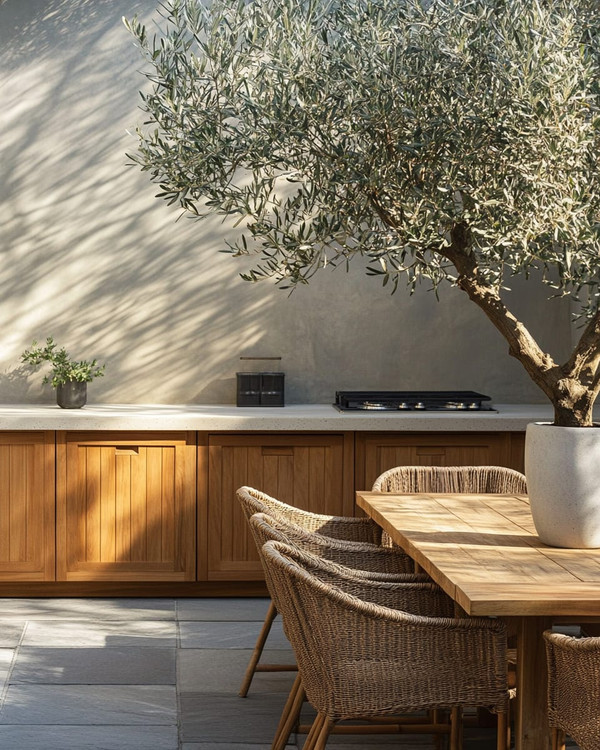
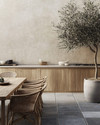
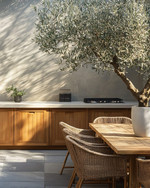
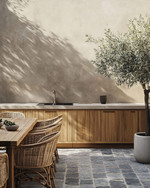
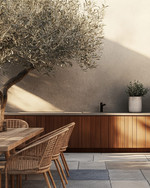
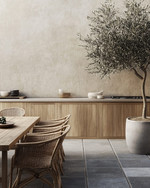
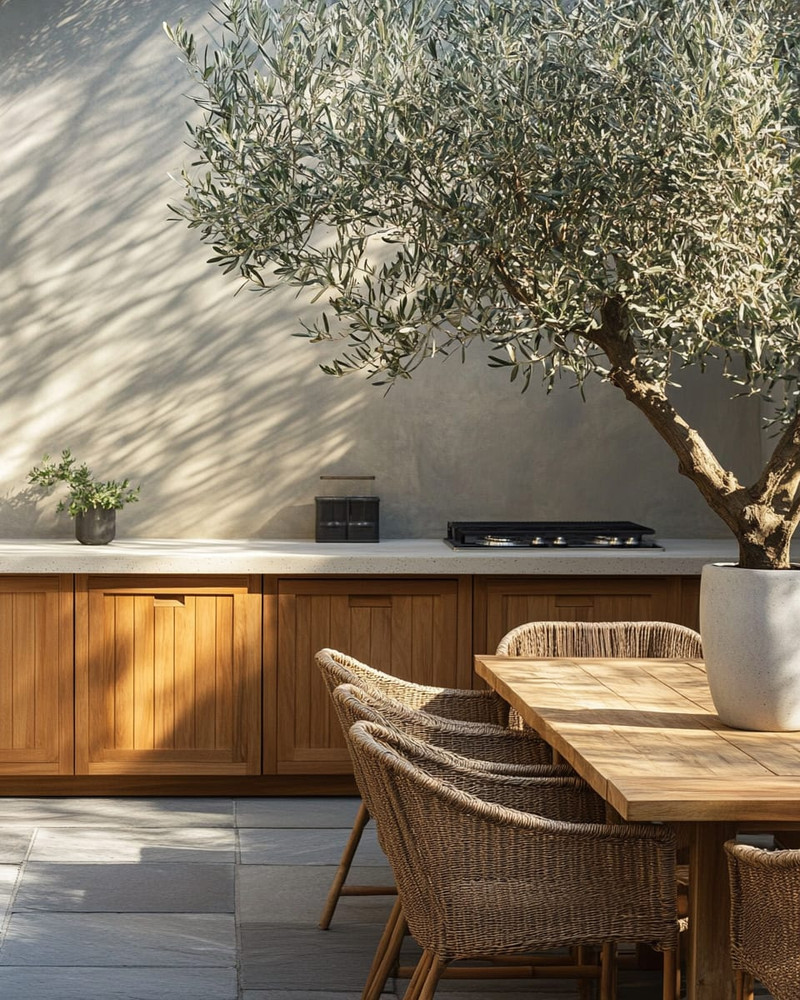
Embrace the tranquil aesthetic of a Japandi outdoor kitchen, where the minimalist elegance of Japanese design meets the cozy warmth of Scandinavian style. This approach prioritizes natural materials and thoughtful textures, crafting a space that feels both connected to nature and effortlessly refined for al fresco dining and entertaining.
Organic Material Palette
The foundation of a Japandi outdoor kitchen lies in its material choices. Opt for elements that celebrate raw beauty and tactile appeal.
- Natural Wood Finishes: Use untreated teak, cedar, or ipe for cabinetry and countertops, allowing the wood's grain to become a prominent feature. Consider shou sugi ban (charred wood) for a dramatic, durable, and distinctly Japanese-inspired accent.
- Stone and Concrete: Incorporate honed concrete countertops for a clean, industrial edge softened by its natural grey tones, or choose large format bluestone pavers for flooring that grounds the space.
- Woven Accents: Introduce rattan or wicker elements through dining chairs, pendant light shades, or serving trays to add a layer of organic texture and warmth.
Subtle, Earth-Inspired Hues
A Japandi color scheme is inherently calm and understated, drawing inspiration from natural landscapes. Focus on a palette that allows materials to shine.
- Muted Neutrals: Begin with a base of soft greys, warm whites like Farrow & Ball's "Wimborne White," and muted beiges.
- Deep Contrasts: Introduce darker tones such as charcoal, deep forest green, or even a subtle indigo through cushions, planters, or an accent wall in a weather-resistant finish, providing grounding and depth without overwhelming.
Thoughtful Furnishings and Décor
Every piece in a Japandi outdoor kitchen should serve a purpose and possess inherent beauty, contributing to a sense of calm order.
- Clean-Lined Furniture: Select outdoor dining tables and benches with simple, robust forms, often crafted from solid wood or metal with a matte finish.
- Minimalist Planters: Display sculptural plants like olive trees or architectural grasses in unglazed ceramic or concrete planters.
- Artisanal Pottery: Choose handmade stoneware bowls and serving platters that highlight natural textures and imperfections, enhancing the authentic, wabi-sabi feel.
Frequently Asked Questions
What kind of wood is best for a Japandi outdoor kitchen?
Teak, cedar, or ipe are excellent choices due to their natural durability and beautiful grain. For a unique touch, consider shou sugi ban (charred wood) for its rich texture and weather resistance.
How do I add texture to a Japandi outdoor kitchen without clutter?
Focus on inherent material textures: the grain of natural wood, the raw finish of concrete, woven rattan, and unglazed ceramic pottery. These elements add visual and tactile interest organically.
What colors should I use in a Japandi outdoor kitchen?
Stick to a muted, earth-inspired palette of soft greys, warm whites, and natural beiges. You can add depth with subtle charcoal, deep greens, or indigo accents through textiles or planters.