
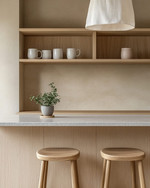
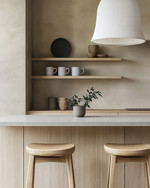
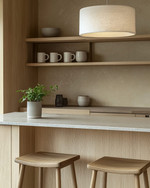
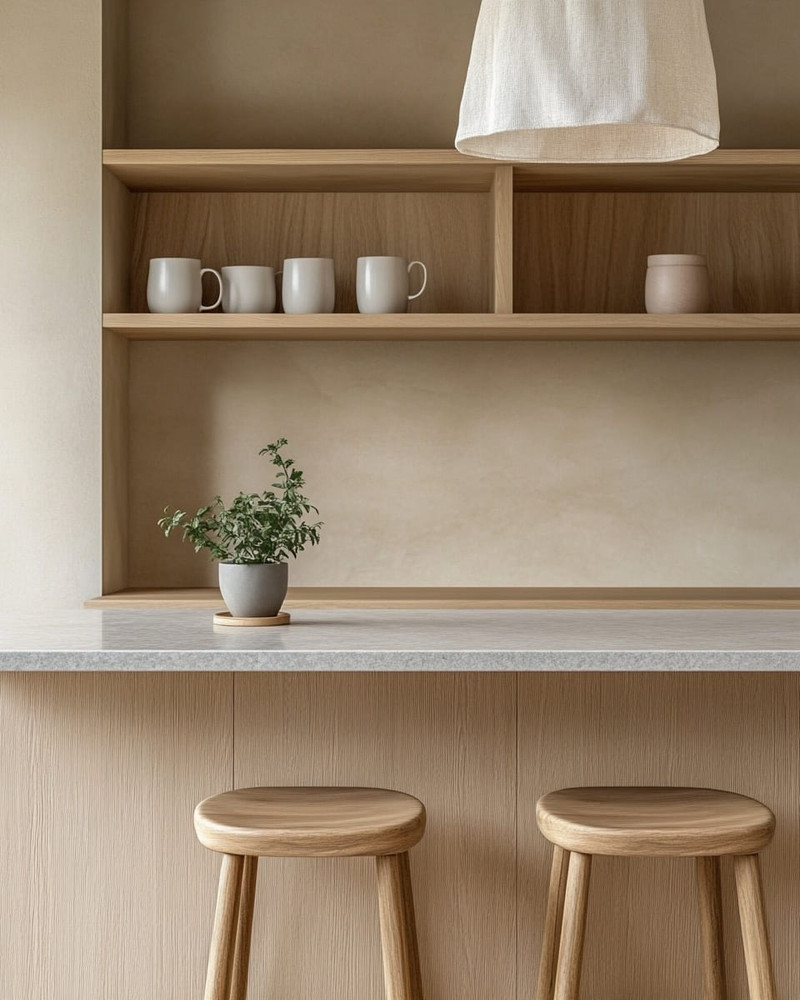
Zen Sips: Family-Friendly Japandi Bar
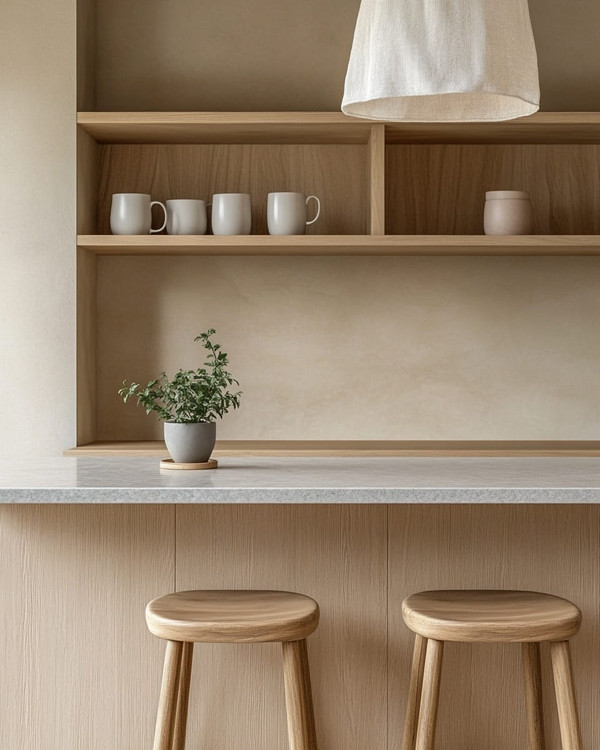
Creating a Japandi home bar means blending Japanese minimalism with Scandinavian warmth, but for families and pet owners, it also means prioritizing durability, safety, and ease of use. This approach ensures your serene bar area is not only beautiful but also resilient enough to withstand daily life, offering a peaceful retreat for adults while remaining practical for households with children and furry friends.
Resilient Materials & Smooth Finishes
For a family-friendly Japandi bar, material selection is paramount. Opt for surfaces that are easy to clean and resist wear. Think beyond aesthetics to practical longevity.
- Countertops: Consider honed quartz or a low-maintenance solid surface in shades like soft grey or muted beige. These materials offer superior stain resistance and are less prone to chipping than natural stone.
- Cabinetry: Choose matte finishes on natural wood veneers, such as light oak or ash, or painted cabinets in a warm greige. Fingerprint-resistant finishes are a distinct advantage.
- Flooring: Durable options like wide-plank engineered wood or large-format porcelain tiles in a concrete-effect can withstand spills and heavy traffic, providing a cohesive, clean look.
Thoughtful Layout & Safe Accessibility
A Japandi bar should feel open and uncluttered. For families, this translates to clear pathways and secure storage, minimizing potential hazards.
- Open Shelving vs. Closed Storage: Integrate both. Use closed, soft-close cabinets for glassware and spirits, keeping them out of reach. Open shelving can display curated, unbreakable ceramics or plants.
- Seating: Opt for sturdy, backless stools with a wide base in a natural wood or matte metal. Ensure they tuck neatly under the counter to prevent tripping hazards. Consider a built-in banquette for a cozy, integrated feel that is less prone to tipping.
- Flow: Design the layout to allow easy movement around the bar, preventing bottlenecks, especially important when multiple people are in the space.
Warm Lighting & Natural Touches
Ambiance is key in a Japandi space, and for a family home, this means creating a welcoming glow that is neither too dim nor too harsh.
- Layered Lighting: Combine recessed ceiling lights with a central, minimalist pendant light featuring a natural material shade, like linen or woven rattan. Add a small, sculptural table lamp on the counter for a soft, inviting accent.
- Natural Elements: Incorporate greenery that is safe for pets, such as a Boston fern or a spider plant, in simple ceramic pots. Smooth, river stone coasters or a small, polished wood tray can add organic texture without creating clutter.
- Soft Textiles: While not a primary bar element, consider a durable, washable rug in a natural fiber blend nearby to define the space and add warmth underfoot.
Frequently Asked Questions
What colors are best for a family-friendly Japandi home bar?
Stick to a serene palette of warm neutrals like off-white, soft greys, greige, and muted greens, accented with natural wood tones like light oak or ash for a calming and versatile backdrop.
How can I make my Japandi home bar safe for children and pets?
Prioritize durable, easy-to-clean materials, use soft-close hardware on cabinets, ensure spirits and glassware are stored securely out of reach, and choose sturdy, tip-resistant seating.
What kind of seating works well in a Japandi family bar?
Opt for sturdy, backless wooden or matte metal stools that can be tucked away, or consider a built-in banquette for a secure, integrated seating solution that minimizes tripping hazards.
Which plants are suitable for a Japandi home bar with pets?
Choose pet-safe plants like Boston ferns, spider plants, or certain types of orchids, presented in minimalist ceramic pots to maintain the serene aesthetic.