
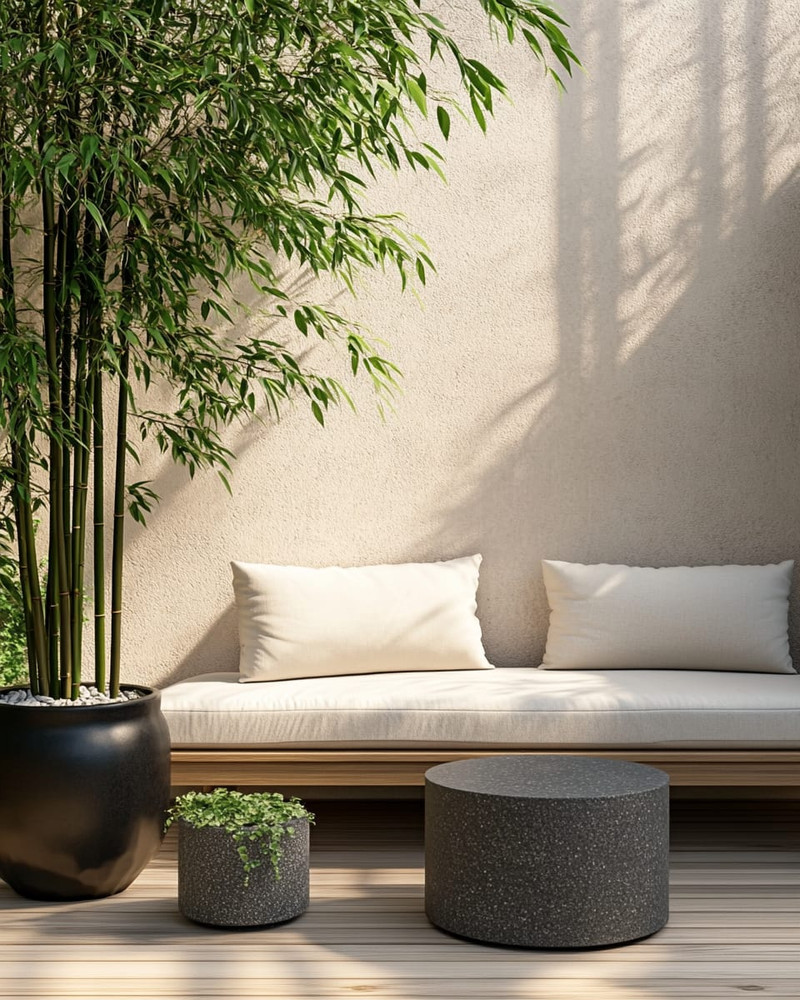
Zen Backyard Retreat for Small Spaces
Creating a Japandi backyard, especially in a small space or apartment setting, means cultivating a sense of calm and connection to nature within limited square footage. This style, a harmonious blend of Japanese minimalism and Scandinavian warmth, emphasizes functionality, natural materials, and uncluttered aesthetics. For compact outdoor areas, the focus shifts to thoughtful placement and multi-functional elements to maximize impact and serenity.
Thoughtful Layout and Arrangement
In a small Japandi backyard, every element serves a purpose and contributes to the overall tranquility. Consider a single, focal seating area rather than multiple zones.
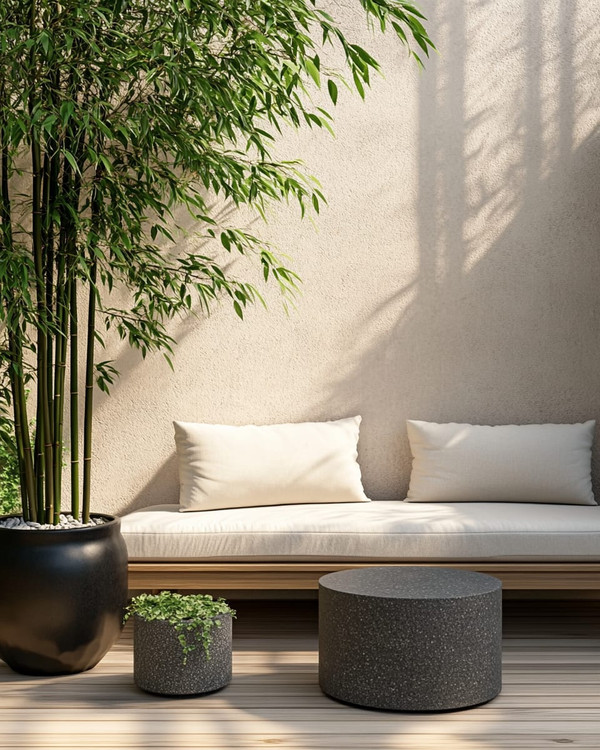
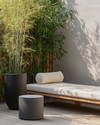
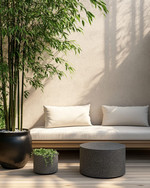
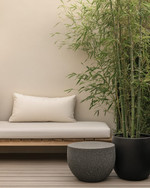
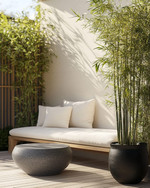
- Compact Seating: Opt for a low-profile teak bench or a pair of woven rattan chairs with a small, round stone side table.
- Defined Zones: Use a simple bamboo screen or a strategically placed tall plant to create a sense of enclosure without blocking light.
- Vertical Gardening: Implement wall-mounted planters for herbs or small ferns to add greenery without consuming floor space.
Natural Materials and Finishes
The essence of Japandi lies in its reverence for natural textures and honest materials. For a small outdoor space, these choices become even more critical in conveying a sense of calm and quality.
- Wood Accents: Light-toned woods like natural oak or untreated cedar for decking, planters, or furniture bring warmth.
- Stone Elements: Smooth river stones or a single, carefully chosen granite paver can ground the space.
- Woven Textures: Rattan, jute, or bamboo in seating and lanterns add an organic, tactile dimension.
Minimalist Greenery and Water Features
Plants are integral to a Japandi aesthetic, but in a small backyard, selection and placement are key. Focus on quality over quantity, and consider the visual impact of each plant.
- Strategic Planting: Choose a few architectural plants like a dwarf Japanese maple in a simple ceramic pot, or a clump of bamboo in a sleek planter.
- Subtle Water Feature: A small, tabletop bamboo water spout or a simple stone basin with circulating water introduces soothing sounds without taking up much room.
- Neutral Planters: Select planters in matte black, off-white, or terracotta to maintain a cohesive, understated look.
Frequently Asked Questions
How do I make a small Japandi backyard feel larger?
Utilize vertical space with wall planters, choose low-profile furniture to keep sightlines open, and use a consistent, light color palette for surfaces and textiles to create a sense of openness.
What kind of plants are best for a small Japandi outdoor space?
Opt for plants with clean lines and subtle textures, such as dwarf Japanese maples, bamboo, ferns, or bonsai. Place them in simple, understated ceramic or terracotta pots.
Can I incorporate a water feature into a tiny Japandi backyard?
Yes, choose a compact, self-contained water feature like a tabletop bamboo spout, a small stone basin, or a minimalist fountain. The sound of water adds significant tranquility without requiring much space.
What colors should I use for a Japandi backyard?
Stick to a neutral palette of warm whites, soft greys, natural wood tones, and charcoal black, accented with muted greens from plants. This creates a calm and cohesive atmosphere.