
Japandi Living Room: Natural Texture Retreat
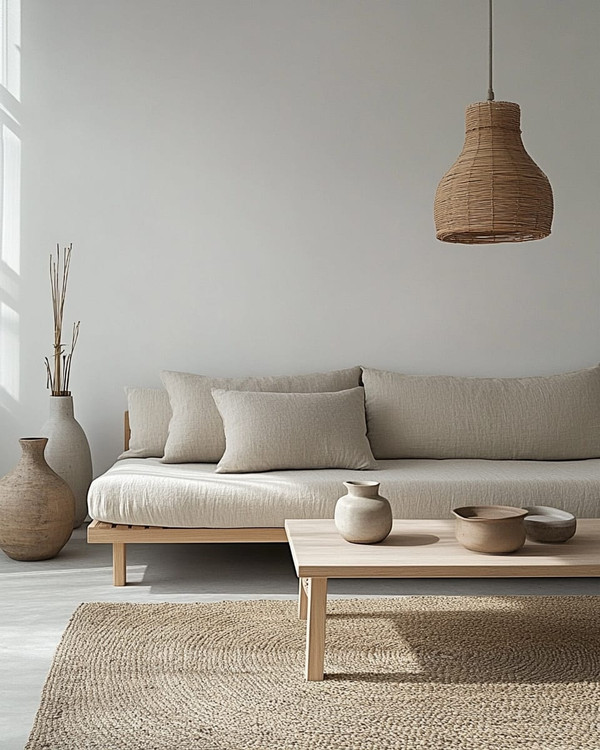
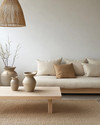
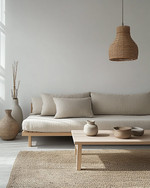
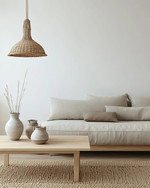
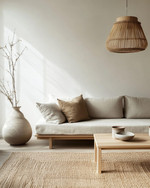
Embrace the tranquility of a Japandi living room, where the core principle is a deep appreciation for natural materials and their inherent textures. This style masterfully blends Japanese minimalism with Scandinavian functionality, resulting in a space that feels both refined and utterly comforting, driven by tactile surfaces and organic forms.
Tactile Materials and Finishes
The foundation of a Japandi living room lies in its material story. Focus on raw, unprocessed elements that bring an authentic, earthy feel to the space.
- Light Woods: Opt for pale, unfinished woods like birch, light oak, or ash for furniture, shelving, and flooring. Their natural grain provides subtle visual interest.
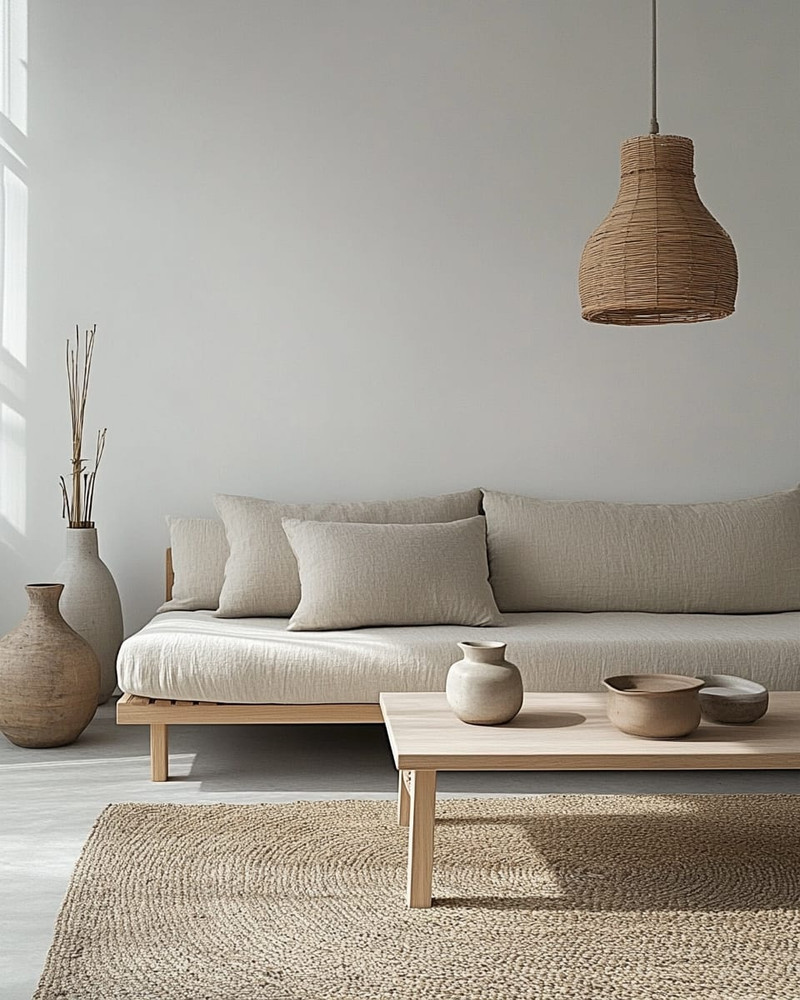
- Woven Elements: Introduce rattan, jute, or bamboo through accent chairs, area rugs, or pendant light shades to add warmth and intricate texture.
- Ceramics and Stoneware: Select handcrafted pottery in matte finishes for vases, planters, or decorative bowls, showcasing a wabi-sabi appreciation for imperfection.
- Linen and Cotton: Prioritize natural fibers for upholstery, cushions, and throws, in their rawest, most unbleached forms where possible.
A Soothing, Earth-Inspired Palette
The color scheme in a Japandi living room is deliberately understated, allowing the textures and forms to take center stage. Muted, organic tones create a backdrop of serenity.
- Warm Neutrals: Shades like off-white, cream, and ecru form the base, reflecting light gently.
- Soft Grays and Greiges: Introduce subtle depth with cool or warm gray tones, reminiscent of natural stone.
- Earthy Accents: Infuse very subtle touches of muted sage green, terracotta, or a deep charcoal through pottery, a single throw, or a piece of abstract art.
Thoughtful Furniture and Organic Forms
Furniture in a Japandi living room is characterized by its clean lines, low profiles, and an emphasis on comfort without excessive ornamentation. Each piece serves a purpose and contributes to the overall sense of calm.
- Low-Slung Sofa: A minimalist sofa in natural linen or a textured weave, often in a light neutral, encourages relaxation and an open feel.
- Solid Wood Coffee Table: A simple, sturdy coffee table in a light wood, perhaps with rounded edges, acts as an anchor.
- Handcrafted Seating: Consider an accent chair with a rattan back or a woven seat, providing both visual interest and an additional layer of texture.
Subtle Lighting and Ambient Glow
Lighting in a Japandi space is designed to enhance the tranquil atmosphere, favoring soft, diffused light over harsh illumination. Fixtures often incorporate natural materials.
- Paper Lanterns: Akari-style paper lanterns provide a gentle, even glow, embodying Japanese aesthetics.
- Woven Pendants: A pendant light crafted from rattan or bamboo above a seating area adds a focal point and organic texture.
- Table Lamps with Linen Shades: Smaller lamps with shades made from natural fabrics cast a warm, inviting light for evening ambiance.
Frequently Asked Questions
What defines the Japandi style in a living room?
Japandi combines Japanese minimalism with Scandinavian functionality, emphasizing natural materials, clean lines, muted colors, and a focus on comfort and simplicity.
Which natural materials are best for a Japandi living room?
Prioritize light woods like birch or oak, woven textures such as rattan and jute, natural fibers like linen and cotton, and handcrafted ceramics or stoneware.
How do I choose colors for a Japandi living room?
Stick to a neutral palette of off-whites, creams, and soft grays, with subtle earthy accents like muted sage green or terracotta to maintain a calming atmosphere.
What kind of lighting suits a Japandi living room?
Opt for soft, diffused lighting from fixtures made of natural materials like paper lanterns, woven pendants, or table lamps with linen shades to create a warm ambiance.